 ReRoof Report
Signs your roof needs replacing, not just a repair, in Florida
A roof needs replacing when the wear is spread across the whole roof rather than in one spot, when it's past its typical Florida life, or when a repair would cover 25% or more of an older roof. These are the signs Florida inspectors check on insurance forms, by roof type.
The signs, by roof type
The question to ask of any symptom is whether it's local or systemic. A few missing shingles after a storm can be patched. Granule loss on every slope means the whole roof is aging out.
| Roof type | Points to replacement | Usually repairable | Typical FL life |
|---|---|---|---|
| Asphalt shingle | Bare spots or exposed mat from granule loss on several slopes; curling, cupping or brittle shingles; tabs that have come unsealed across the roof | A few missing or lifted shingles on a roof under about 10 years old | 15–20 yrs |
| Concrete or clay tile | Underlayment that is brittle, torn or visible; leaks at valleys and penetrations; underlayment 20+ years old | A few cracked or slipped tiles, with the underlayment checked beneath them | 20–30 yrs (system) |
| Metal | Rust through panels or at seams; widespread loose or backed-out fasteners (5V crimp); failures along edges, hips and ridges | Replacing individual fasteners, washers or a damaged panel | 35–50 yrs (standing seam) |
| Flat (mod-bit, TPO) | Ponding water across the roof, blisters, split seams in several places | A single blister or seam split | 12–18 yrs |
| Any roof | Soft or spongy deck in more than a few spots; leaks in more than one place, or leaks that come back after repair | One leak with a clear cause, such as a pipe boot or flashing | — |
Shingle roofs
Some loose surplus granules in the first year or two are normal. Bald patches or exposed mat on an older roof are different; the asphalt underneath is now open to UV. Unsealing matters more in Florida than elsewhere. A University of Florida study found shingles tend to come partly unsealed after about the first four years, and unsealed tabs are what lift and blow off in a hurricane. After Hurricane Ian, IBHS found shingle roofs 10 or more years old "especially vulnerable."
Tile roofs
The tiles usually outlast the roof. What fails is the underlayment, flashings and fasteners under them, and Eagle's tile warranty covers the tiles only, not those components. The 2024 state wind-loss study by Applied Research Associates noted that the threshold for full replacement versus repair of tile roofs "is quite low," partly because tile colors are hard to match. IBHS found significant tile damage in Ian was "rare except on roofs more than 20 years old."
Metal roofs
Near the coast, check for rust at cut edges, seams and fasteners. Galvalume panel warranties are typically void within 1,500 feet of salt water. Exposed-fastener 5V panels depend on their screws and washers staying tight; a roof where many have backed out needs more than spot fixes.
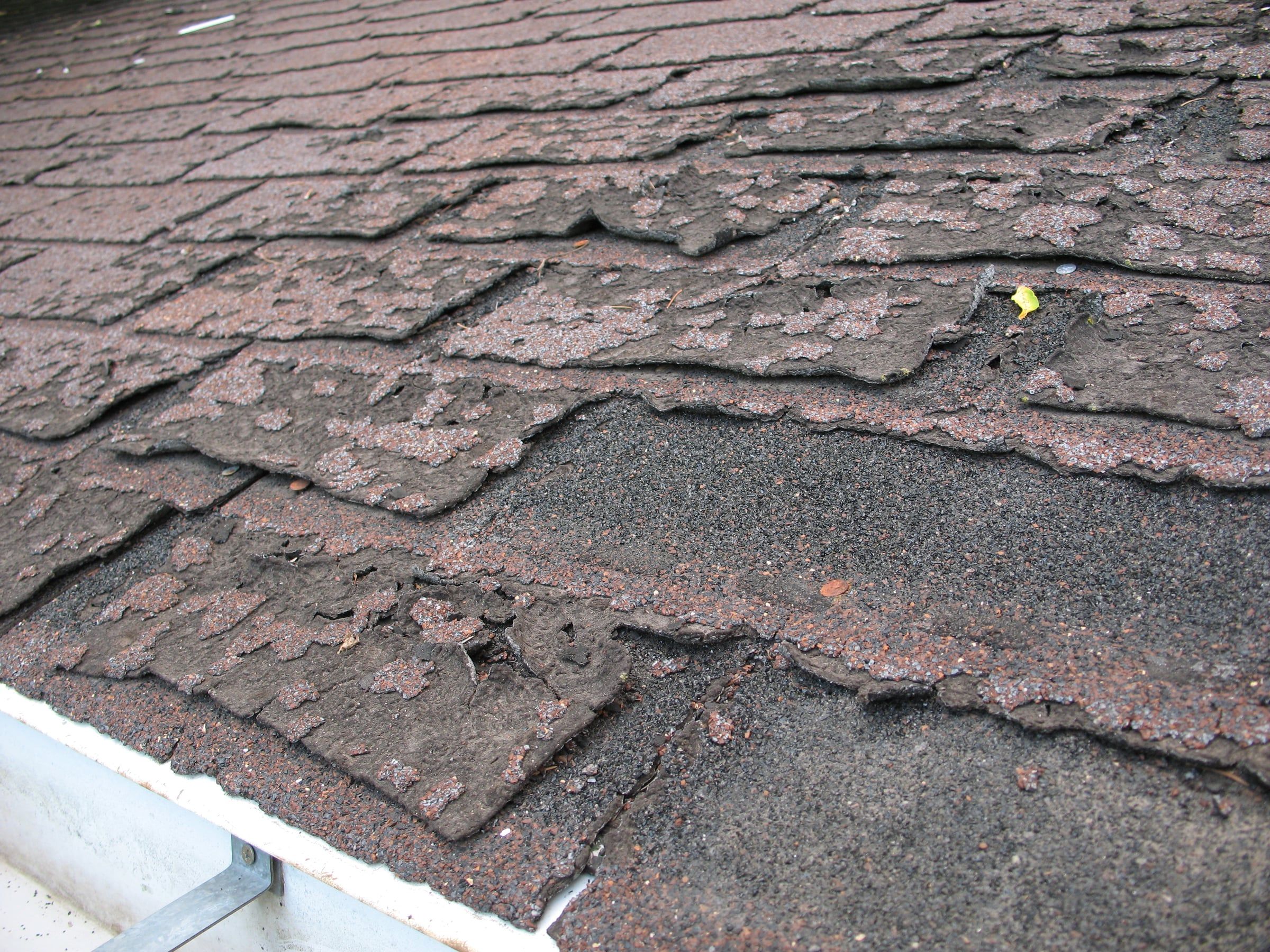

What a 4-point inspection marks as unsatisfactory
Insurers see your roof through inspection forms. Citizens requires a 4-point inspection on homes more than 20 years old, and many private insurers use the same form. On the Citizens sample form (Insp4pt 03 25), the inspector rates the roof's overall condition as satisfactory or unsatisfactory and checks any of these visible signs of damage or deterioration:
- Cracking
- Cupping or curling
- Excessive granule loss
- Exposed asphalt
- Exposed felt
- Missing, loose or cracked tabs or tiles
- Soft spots in decking
- Visible hail damage
The form also asks about visible signs of leaks in the attic or on the underside of the decking, and on interior ceilings, plus the roof's age, its remaining useful life and the date of the last roofing permit. The inspector must attach photos of each roof slope. Under §627.7011(5), if a roof 15 years or older is inspected and has at least 5 years of useful life left, an insurer can't refuse to issue or renew solely because of its age. So the remaining-life estimate on this form carries real weight. Read more about 4-point and roof inspections for insurance.
When does the 25% rule force a whole new roof?
Under the Florida Building Code (FBC-Existing Building 706.1.1, 8th edition), no more than 25% of a roof or roof section may be repaired, replaced or recovered in any 12 months unless the whole roof covering of that section is brought up to current code. Since the 2023 edition, recovers count too.
There is a major exception. Under §553.844(5), if the existing roof was built or replaced under the 2007 Florida Building Code or later, only the repaired part has to meet current code, however large it is. Local governments can't change this. In practice the 2007 code applies to roofs permitted from March 1, 2009. So the date on your last roof permit decides which rule applies; our guide to finding your roof's permit date shows where to look by county.
The 9th edition of the Florida Building Code takes effect December 31, 2026. We will re-check the section numbers then; the 2007-code exception stays, because the statute requires it.
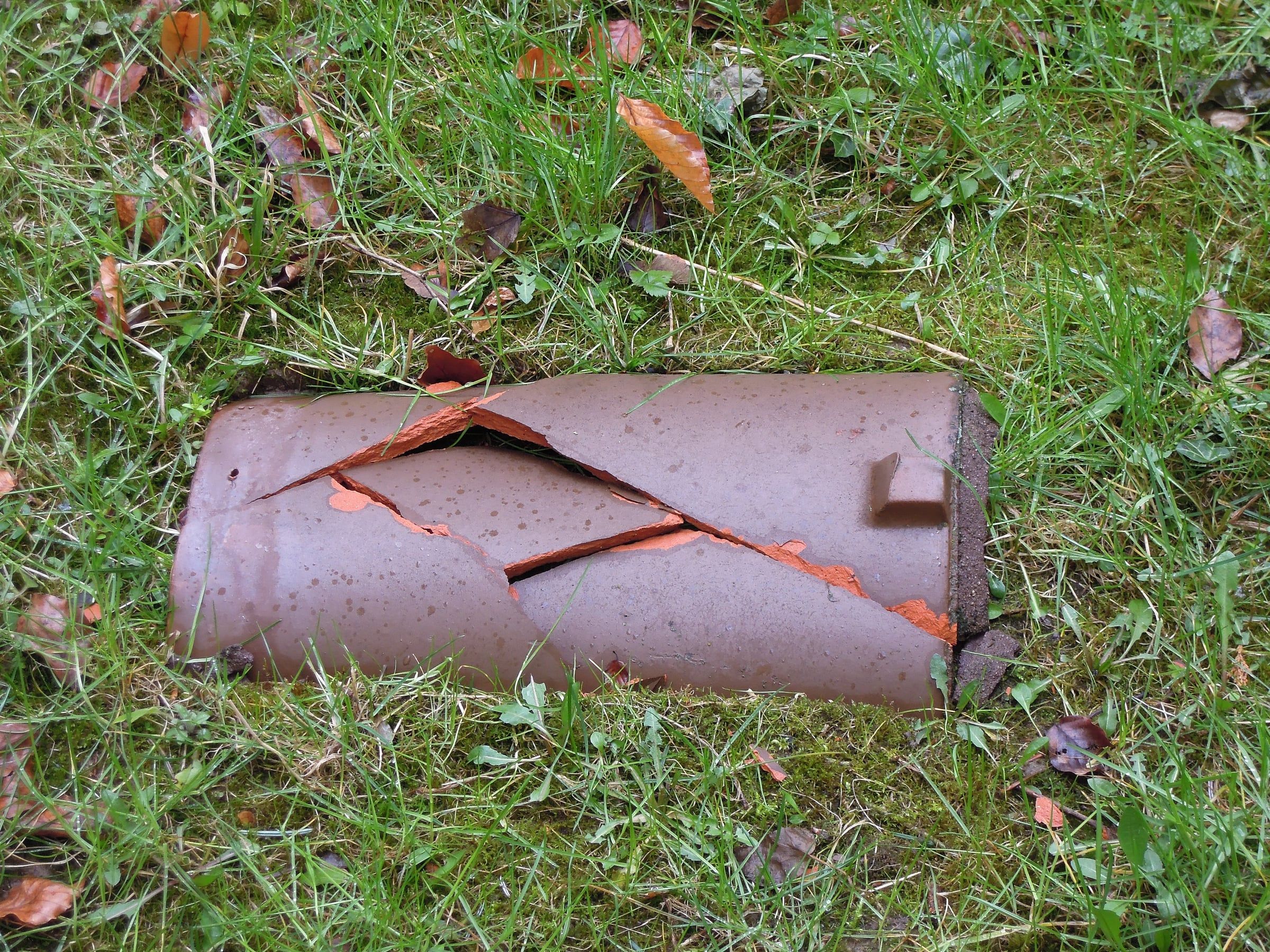

Storm damage or old age: how to tell
The difference matters because homeowners policies typically exclude wear and tear but may cover sudden damage from a covered peril such as wind or a fallen tree. Your policy terms control. Inspectors and adjusters look at the pattern:
| Storm damage | Age-related wear | |
|---|---|---|
| When it appears | Right after a named storm or high-wind event | Gradually, over years |
| Where on the roof | Concentrated on slopes facing the wind, edges, ridges and corners, or where debris hit | Spread evenly across all slopes |
| Shingle signs | Missing or creased shingles, torn tabs, exposed fresh mat | Granule loss, curling, brittleness, unsealed tabs |
| Tile signs | Broken or displaced tiles in a pattern, impact breaks | Aged underlayment, slipped tiles from failed fasteners, leaks at valleys |
| Metal signs | Lifted or peeled panels and trim at edges | Rust, loose fasteners, worn sealant |
An older roof can have genuine storm damage on top of wear, and older roofs are often settled differently. If you think a storm caused the damage, take dated photos and consider contacting your insurer to find out whether a repair is covered. Be wary of anyone who offers to cover or waive your deductible; that is a felony in Florida for contractors.
What to do next
- Find the roof's age from the permit record, using our county-by-county permit guide, and compare it with typical Florida roof lifespans.
- Run the repair-or-replace checker with the symptoms you see.
- Check where the roof stands with insurers using the roof age and insurance check.
- For any repair, hire a licensed roofing contractor and check the license at myfloridalicense.com.